


Neck, Jaw & Nervous System Treatment Training
5-day Immersion Course into the depths of Nervous System Regulation, Neck and Jaw Manual Therapy work
Mazunte, México
Posada Arigalan
February 20 to 24
April 7 to 11
Learn to understand, treat, and regulate the nervous system through the manipulation of the neck, jaw, fascia & vagus nerve.
A complete training that merges anatomy, manual therapy, and somatic awareness — bridging science, trauma work, and embodied presence.

Overview
A Deep Immersion into Neck, Jaw and Nervous System Regulation
This 5-day training offers a deep exploration of how trauma, fascia, and the autonomic nervous system interconnect.
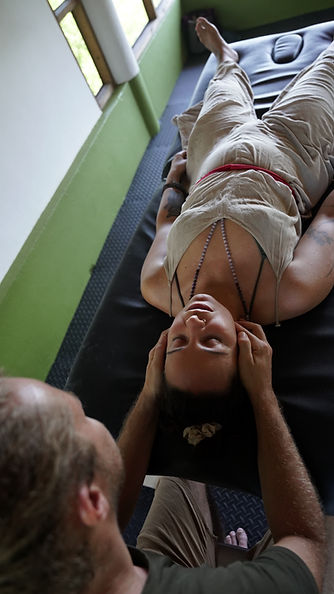
You’ll learn to work directly with the neck, jaw, mouth, and vagus nerve, developing both precise manual skills and somatic awareness.
Through detailed anatomy, trigger-point therapy, fascial decompression, and guided somatic exercises, you’ll discover how tightness in these key areas influences emotional safety, breath, and connection.
This work is not about doing more — it’s about listening deeply, touching consciously, and allowing the body to remember safety.

Meditation Movement Presence
Each day begins with 1.5 hours of morning practice to settle the nervous system and prepare for the hands-on work.
Mornings alternate between:
-
Hridaya Meditation — cultivating stillness, heart awareness, and inner presence.
-
Somatic Movement & Hridaya Hatha Yoga — gentle, embodied movement or dance-like flow to awaken fascia and restore rhythm.
These sessions cultivate the regulated, grounded state from which true therapeutic work begins.
Love, presence and stillness as the doorway to healing
What You Will Learn
-
In-depth anatomy of the neck, jaw, mouth, and vagus nerve
-
Understanding the Autonomic Nervous System & Polyvagal Theory in practice
-
The relationship between cervical and jaw tension, vagal tone, and trauma
-
How tightness in SCM, scalenes, suboccipitals, masseter, and pterygoids affects emotional regulation
-
Trigger-point therapy for neck and jaw — identifying and releasing pain. Awarness of the emotions that come into play while working with that areas.
-
Manual techniques to decompress fascia and support vagal flow
-
Essential points along the nervous system to bring safety and add to the neck and jaw practice.
-
Somatic exercises for grounding, emotional regulation, and nervous-system flexibility.

Training Structure
Day 1
Foundations & Self-Manual Regulation Practice
Introduction to the autonomic nervous system, vagus nerve, and cervical fascia. Detailed cervical anatomy
Partner practice cervical fascia.
Guided self-manual nervous-system regulation.
Somatic grounding and Breath practices.
Day 2
Neck Anatomy & Trigger-Point Therapy
Exploration of trigger points (SCM, scalenes, suboccipitals, trapezius).
Partner practice.
Somatic exercises for neck release and breath expansion.
Day 3
Jaw, Mouth & Vagal Integration
Oral anatomy and its link with trauma.
Intraoral trigger-point therapy (external → internal: masseter, pterygoids, temporal, buccinator).
Group somatic practice for expression and grounding.
Day 4
Full Therapeutic Session & Sequencing
Nervous system regulation points
Fascia movement on this points
Building a full session combining meditation, manual therapy, and somatic regulation.
Choosing the right entry point (activation / collapse).
Supervised partner sessions, pacing, and trauma-informed boundaries
Day 5
Embodiment, Supervision & Closure
Extended morning meditation, movement, full nervous system regulation practice.
Participants design and deliver their own full sessions.
Group supervision, reflection, and closing ritual with Ceremonial Cacao.
You Will leave with
YOUR HEART FULL OF LOVE AND CONNECTION
-
A grounded understanding of how neck and jaw tension affect vagal tone & trauma
-
Clinical confidence applying trigger-point & manual regulation techniques
-
Tools for guiding somatic exercises and nervous-system regulation
-
The capacity to hold presence and safety in therapeutic space

Daily Schedule
8:00 AM – 9:30 AM
Morning Yoga, Movement and Meditation (Connect with your body and set the intention for hands-on learning)
10:00 AM – 12:00 PM
Theory in Action (Learn about the neck and jaw muscles, Trigger Points, Release Techniques, Somatic exercises, Nervous System, etc)
12:00 PM – 3 PM
Lunch Break
3:00 PM – 5:30 PM
Partner practice & Somatic exercise
5:30 PM – 6:00 PM
Sharing Circle (Reflect on the day’s experiences and share insights with the group).
Who is this course for?
For practitIoners ready to unite science and embodiment:
- Physiotherapists, osteopaths, manual and myofascial therapists
-
Somatic and trauma-informed practitioners
-
Yoga, meditation, and embodiment teachers
-
Anyone wanting to integrate nervous-system regulation into their personal practice and work
What they think...


— Ingvild, Norway

What´s included
-
Printed & digital manual (anatomy, protocols, self-practice sequences)
-
Scripts for guided meditations & somatic exercises
-
Supervised hands-on sessions with personalized feedback

Facilitating
by Noe Amaris
Physiotherapist & Somatic Trauma Therapist with 17 years of experience. Noelia integrates nervous-system regulation, advance manual physiotherapy, fascia therapy, trauma-informed manual work, and contemplative practice to guide others toward safety, embodiment, and coherence. The teaching merges scientific and mistical aproach, with presence and simplicity — inviting practitioners to embody what they learn, by also integrating the teachings with their own style and heart.
INVESTMENT
REGULAR
650€
This rate helps me continue my work, and I recommend that most participants sign up at this level.
SUPPORTER
800€
This rate is intended for those with greater financial means and/or those who want to support me in providing reduced rates for individuals facing economic difficulties.
REDUCED
500€
This rate is tailored for those facing economic difficulties.
Join the Training
Dates Available


somatixswithnoe@gmail.com
whatsapp +1 415 450 7430
FAQs
About the Course
1. Do I need any prior experience in bodywork or manual therapy to attend this course?
No, this course is designed for both beginners and experienced practitioners. Whether you're new to manual therapy or already have experience in bodywork, you’ll gain valuable skills. The hands-on approach ensures you’ll learn by doing, so prior experience isn’t required—just an open mind and a desire to help others.
2. What exactly will I learn in the course?
You’ll learn practical techniques to release tension in the neck and jaw, including:
-
Understanding the anatomy of the neck and jaw muscles
Identifying and releasing trigger points
-
Hands-on techniques for manual therapy
-
Integrating these techniques with yoga and meditation practices for a holistic approach to healing
3. How much of the course is theory vs. hands-on practice?
This course is mostly hands-on. While we cover the essential theory of anatomy and trigger points, most of the learning happens while you practice on a partner. You’ll be applying what you learn immediately, ensuring you gain real-world experience during the course.
4. How does the course help me if I want to treat others?
The techniques and knowledge you’ll gain are specifically designed to help others find relief from tension and pain in the neck and jaw. By the end of the course, you’ll have the skills to offer practical treatments to clients, friends, or family.
5. Will I receive any materials or resources to support my learning?
Yes, you’ll receive course materials, including anatomy guides and instructions for the techniques you’ll be learning. These resources will help reinforce what you’ve practiced and can serve as a reference after the course.
7. How large is the class size?
Class sizes are kept intentionally small, with around 10-12 participants, to ensure individual attention and a personalized learning experience. You’ll have plenty of opportunities to practice and receive feedback.
About Mazunte & Posada Arigalan
1. Where is Mazunte located, and how do I get there?
Mazunte is a small, tranquil coastal town on the Pacific coast of Oaxaca, Mexico. It is accessible by air through the Puerto Escondido or Huatulco airports, followed by a 1-2 hour taxi or shuttle ride. Both airports are well connected to Mexico City and other major hubs.
2. What makes Mazunte a special place for this course?
Mazunte is known for its peaceful, spiritual atmosphere and stunning natural beauty. The combination of the ocean, beaches, and local energy makes it a perfect location for inner reflection and healing. It’s a popular destination for yoga, meditation, and holistic therapies, which aligns perfectly with the course content.
3. What is Posada Arigalan like as a venue?
Posada Arigalan is a serene, welcoming retreat space located on a hill overlooking the beach, with breathtaking views of the ocean. It offers peaceful surroundings, ideal for learning and relaxation. The venue is known for its calming energy, making it an excellent environment for both personal growth and hands-on training.
4. What are the accommodations at Posada Arigalan like?
The rooms at Posada Arigalan are simple, comfortable, and designed to support your retreat experience. Each room has its own bathroom and basic amenities. Some rooms offer views of the ocean or the beautiful gardens, creating a relaxing space to unwind after the day’s sessions.
5. Are meals provided during the course?
Meals are not provided, but there are several local restaurants in Mazunte offering fresh, healthy food, with many options for vegetarians and vegans. The town’s food culture emphasizes locally-sourced, organic ingredients.
6. What should I bring to the course and the venue?
Here’s a quick list of essentials:
-
Comfortable clothing for yoga and hands-on work
-
Swimwear for free time at the beach
-
A notebook and pen for notes
-
A refillable water bottle
-
Sunscreen, hat, and insect repellent (Mazunte is a tropical area).
-
Personal toiletries and any medications you may need
7. Can I explore the area during free time?
Absolutely! Mazunte is a magical place with plenty to explore. You can visit local beaches like San Agustinillo or Punta Cometa, a famous viewpoint known for its stunning sunsets. The area is also home to an important turtle conservation center, as well as beautiful nature walks. You’ll have free time in the evenings to explore or simply relax.
8. Is Wi-Fi available at Posada Arigalan?
Yes, Wi-Fi is available at the venue, but keep in mind that Mazunte is a peaceful retreat destination, so the connection may not be as fast as in urban areas. It’s a good place to disconnect and focus on the course and your personal growth.
General Logistics
1. What is the weather like in Mazunte?
Mazunte enjoys a warm, tropical climate year-round. Expect temperatures between 25-30°C (77-86°F). It’s best to pack light, breathable clothing, as well as a light jacket or sweater for the evenings.
2. Do I need to speak Spanish to attend the course?
No, the course will be conducted in English. Mazunte itself is a friendly town where many locals speak English as well, especially those working in tourism.
3. What should I do if I have special dietary needs?
Mazunte has several restaurants and cafes that cater to a variety of dietary preferences, including vegetarian, vegan, and gluten-free options. If you have specific dietary requirements, feel free to reach out, and we can assist you with finding suitable food options.
4. What’s the best way to prepare for this course?
Prepare by setting an intention for your personal learning and growth. It can also be helpful to practice some light stretching or yoga in the days leading up to the course. Bring an open mind and be ready to engage fully in both the learning and the transformative environment Mazunte offers.